Vibration therapy is a specialized chest physiotherapy and respiratory therapy technique that helps loosen thick mucus, allowing it to be cleared naturally. Controlled vibrations are applied to the chest wall or generated inside the airways through specific airway-clearance devices.
It does not melt phlegm; instead, it loosens the mucus from the airway lining, making coughing and natural clearance more effective.
The Importance of Vibration Therapy and Respiratory Therapy
Many people seek assistance for various reasons, including:
How to remove phlegm from the chest
The best respiratory therapy for swollen or congested lungs
COPD mucus that won’t come out
Thick phlegm in elderly patients
Chest congestion treatment
Post-COVID mucus that won’t clear
Vibration therapy and respiratory therapy directly address these issues. They improve airflow, reduce congestion, and support long-term lung health.
How Vibration Therapy Works
Loosens Thick Mucus: Vibrations help detach mucus adhered deep inside the lungs.
Improves Airflow: Air moves more efficiently, directing mucus toward larger airways.
Enhances Coughing Effectiveness: Techniques like huff coughing or ACBT work better after vibration-based loosening.
Reduces Congestion and Wheezing: Clearing mucus opens airways, increases oxygen flow, and reduces breathlessness.
Prevents Infections: Old mucus increases infection risk; timely clearance reduces complications.
Who Can Benefit from Vibration Therapy and Respiratory Therapy?
These therapies are recommended for individuals with:
COPD
Bronchiectasis
Chronic phlegm or productive cough
Post-pneumonia congestion
Post-COVID lung mucus
Asthma with mucus plugging
Elderly patients with weak cough
Post-ICU or bedridden patients with retained secretions
Recurrent lung infections
Types of Vibration Therapy and Respiratory Therapy at SENSE Health
1. Manual Chest Vibration
Provided by trained therapists who apply rhythmic vibrations during exhalation to loosen mucus.
2. Mechanical Chest Vibrators
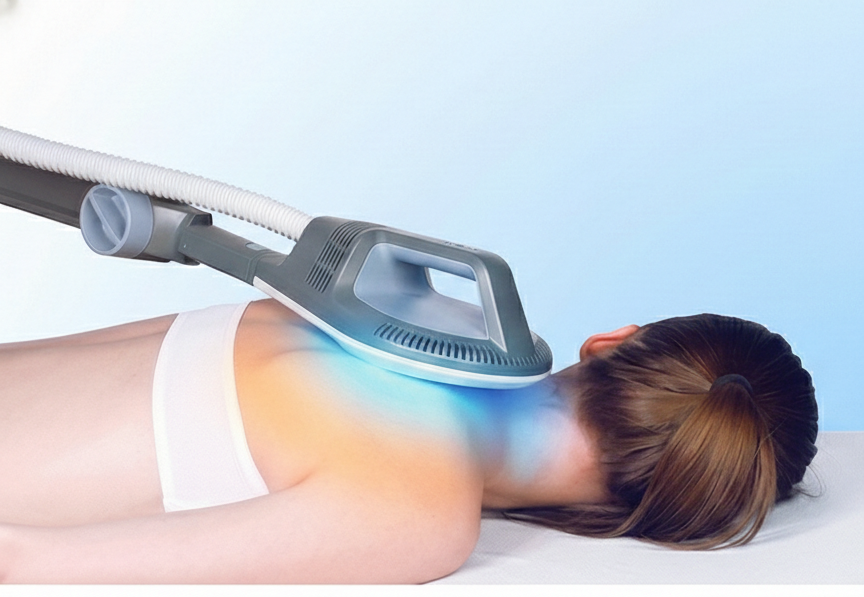
Specialized devices deliver consistent vibrations across the chest, ideal for thick or stubborn phlegm.
3. Oscillatory PEP Devices
Handheld flutter or OPEP devices vibrate inside the airway and create positive pressure during exhalation.
4. High-Frequency Chest Wall Oscillation (If Applicable)
Vest-based therapy commonly used internationally, effective for severe mucus retention.
5. ACBT Combined With Vibration
Active Cycle of Breathing Technique plus vibration is one of the most effective mucus-clearance strategies.
6. Integrated Respiratory Therapy
Breathing retraining
Lung expansion exercises
Controlled coughing techniques
Energy conservation techniques
Functional breathing during daily activities
Why Choose SENSE Health for Respiratory Therapy in Bangalore?
Expert team in pulmonary rehabilitation and respiratory therapy
Safe, senior-friendly environment
Advanced airway-clearance devices and vibration systems
Individualized treatment plans
Centre-based and home-based therapy options
Ideal for elderly patients, COPD, chronic lung disease, and post-illness recovery
Focus on long-term lung function improvement
When to Seek Phlegm-Clearing and Respiratory Therapy
You should book an assessment if you notice:
Persistent phlegm that does not clear
Chronic chest congestion
Morning mucus every day
Breathlessness during simple activities
Wheezing due to mucus blockage
Weak cough, especially in elderly patients
Repeated lung infections
Difficulty clearing mucus after pneumonia or COVID
Early respiratory therapy prevents complications and improves long-term breathing capacity.
Book a Respiratory Therapy and Mucus Clearance Session at SENSE Health
If phlegm, mucus build-up, or breathing difficulty affects your daily life, SENSE Health can help with safe and effective vibration therapy and advanced respiratory therapy.
Breathe better. Recover faster. Live healthier with SENSE Health.
Understanding Phlegm and Its Effects on Health
Phlegm is a thick substance produced by the respiratory system. It serves a purpose, helping to trap dust, allergens, and pathogens. However, when it builds up excessively, it can lead to various health issues.
The Role of Phlegm in Respiratory Health
Phlegm plays a protective role in our respiratory system. It helps to keep the airways moist and traps harmful particles. But when we produce too much phlegm, it can obstruct airflow and lead to discomfort.
Managing Phlegm in Daily Life
Managing phlegm is essential for maintaining respiratory health. Staying hydrated can help thin mucus, making it easier to expel. Additionally, practicing breathing exercises can enhance lung function and promote mucus clearance.
The Connection Between Phlegm and Chronic Conditions
Chronic conditions such as COPD and asthma often lead to increased phlegm production. Understanding this connection can help us manage symptoms better and seek appropriate therapies when needed.
The Importance of Seeking Help
If you or someone you care for is struggling with excessive phlegm, it’s crucial to seek help. Professional guidance can make a significant difference in managing symptoms and improving overall health.
By addressing phlegm build-up effectively, we can enhance our quality of life and breathe easier.




Comments